Sustainable Housing in Rural India: Future of Eco-Living & Investments
Discover why sustainable housing is shaping the future of rural India. Learn how to invest in resort-themed eco-plots in Jim Corbett, Uttarakhand.
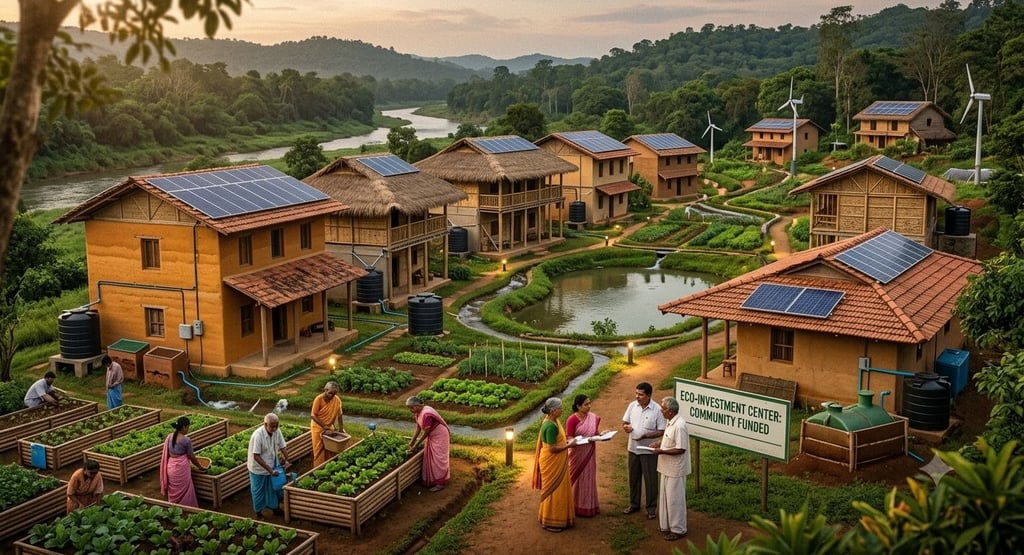
The post-pandemic structural shift in Indian real estate has permanently altered how we evaluate land, luxury, and lifestyle. Urban congestion, deteriorating air quality indices (AQI) across metropolitan areas, and a growing collective consciousness around wellness have driven forward-thinking investors and homebuyers toward a fresh alternative: sustainable housing in rural and semi-urban India.
Once considered a niche concept, eco-friendly developments are establishing themselves as the blueprint for long-term real estate stability. This transition is not merely driven by environmental altruism; it is propelled by real economic incentives, government focus on sustainable development, and a booming market for eco-tourism. Nowhere is this dynamic more visible than in the rising demand for nature-aligned, resort-themed residential developments situated in ecological corridors.
What is Sustainable Housing in Rural India?
Sustainable housing in rural India refers to residential properties designed, constructed, and operated with minimal environmental impact. It integrates native, low-carbon footprints, efficient resource management, and regional architectural sensibilities to create self-sustaining micro-environments that coexist seamlessly with local ecosystems.
How It Works
Rather than imposing high-emission concrete blocks onto natural landscapes, modern sustainable rural housing utilizes passive solar design, localized water-harvesting networks, localized waste-management infrastructures, and low-embodied-energy materials. It bridges the gap between rural preservation and modern comfort by deploying advanced eco-infrastructure within managed master-planned communities.
Why It Matters in 2026 and Beyond
The year 2026 serves as a regulatory and cultural inflection point. State policies are tightening around unstructured land usage in eco-sensitive belts, making legally converted, master-planned eco-plots highly scarce. As luxury shifts its definition from "gilded interiors" to "unpolluted space and clean air," owning an eco-friendly asset in India's scenic rural corridors has transformed into a high-utility wealth preservation strategy.
Key Benefits: Why the Shift to Rural Eco-Living is Accelerating
The migration of capital into sustainable rural infrastructure delivers multifaceted advantages:
Environmental Resiliency: Reduced carbon footprints through optimized energy systems and native flora cultivation that support local bio-diversity.
Tangible Wellness ROI: Measurable health benefits derived from pure air quality, reduced noise pollution, and active, outdoor-centric lifestyles.
Lower Operating Expenditures: Green building methodologies significantly reduce ongoing electricity and water overheads through passive thermal cooling and smart water grids.
High Commercial Yields: Properties built with an eco-sensitive ethos command a premium in the thriving boutique holiday rental and homestay markets.
The Ultimate Convergence: Resort-Themed Plotted Developments
As demand climbs, a unique hybrid real estate model has taken center stage: resort-themed residential plotted townships.
Rather than buying isolated agrarian land—which frequently presents daunting hurdles like complex legal clearing, lack of infrastructure access, and safety risks—buyers are choosing pre-zoned, gated land assets. This allows individuals the complete creative freedom to construct custom, low-impact eco-cottages while immediately benefiting from pre-laid premium resort amenities such as managed clubs, swimming pools, continuous security, and professional property upkeep.
Spotlight: The Koru Ville at Jim Corbett National Park
For investors looking to capitalize on this precise intersection of sustainable infrastructure and high-value hospitality real estate, The Koru Ville in Kilawali, Uttarakhand, serves as a prime case study.
Situated near the tranquil waters of the Tumariya Dam and resting along the crucial tourism corridor flanking the world-renowned Jim Corbett National Park, this 3.5-acre premium gated township represents the modern evolution of rural land bank investments.
Strategic Project Advantages
Unparalleled Seasonal Accessibility: The township is located just 15 minutes away from the Phato Safari Zone gate. Unlike many entry points to Jim Corbett that shut down entirely during the heavy monsoon months, Phato remains open year-round, ensuring steady tourism flow and consistent occupancy potential for property owners planning homestays.
Plug-and-Play Infrastructure: The development removes the logistical complications of building in semi-rural zones by delivering wide, highly compacted internal roads, structured drainage, direct water linkages to individual plots, and solar street illumination.
Optimized Space Allocations: Offering demarcated freehold residential plots starting from 111 sq. yd, 125 sq. yd, and 139 sq. yd, the township allows buyers the flexibility to tailor their footprints—whether designing a minimalist weekend log cabin or a multi-bedroom solar-powered vacation estate.
The Hosting Cluster Concept: Uniquely, a dedicated portion of the master plan is curated for restaurant-themed and open-air social formats, satisfying the high consumer demand for experiential outdoor dining and gathering spaces within nature resorts.
Actionable Steps for Eco-Plot Investors
If you are considering a transition into sustainable plotted real estate, follow this strategic roadmap:
Verify Land Conversion Status: Ensure the land holds explicit residential conversion clearance (such as Section 143 status in Uttarakhand) to protect against future zoning issues.
Evaluate Year-Round Drivers: Analyze the local micro-market. For instance, proximity to year-round attractions like the Tumariya Dam reservoir or the all-season Phato gate guarantees asset utility across every season.
Assess Gated Security Frameworks: Ensure the master township features permanent security perimeters and controlled access points so your physical asset remains safely protected while you are away.
Embrace Native Architectural Building Plans: When building your holiday home or villa, prioritize materials that complement the regional climate, maximizing thermal performance and long-term durability.
Frequently asked questions
What makes sustainable housing in rural India a strong investment?
It combines low entry costs for land with an expanding market for eco-conscious tourism, nature-based remote working, and post-retirement wellness living, resulting in steady capital appreciation and rental yields.
Can outstation buyers legally purchase residential plots at projects like The Koru Ville?
Yes. Legally converted, freehold residential plots inside master-planned townships can be securely purchased and registered by buyers from across India, provided the layout complies with state land ceiling laws and local regulations.
How does a resort-themed plot generate regular income?
Owners can build custom eco-villas or holiday cottages and list them via luxury boutique hospitality networks or homestay platforms, capitalizing on the persistent demand for nature retreats near prime destinations like Jim Corbett.
What is the Koru Village ?
The Koru ville is a premium plotted development located at Kilawali, Uttarakhand, offering thoughtfully planned residential plots and luxury villas in a peaceful and future-ready environment. Designed for modern living, The Koru ville provides a perfect blend of nature, comfort, and investment potential. Enjoy well-planned spaces, serene surroundings, and a lifestyle close to nature. Discover your dream home and secure your future with The Koru ville.
How can I contact you?
You can reach us by 01169312815. We are always happy to answer your questions.
Address
Kilawali, Uttarakhand 244712
Contacts
Subscribe to our newsletter
The Koru Ville © 2026, All rights reserved.
The Koru Ville? It is a Resort-Themed Plots Near Jim Corbett luxury real estate project featuring residential plots inside Jim Corbett National Park, Kilawali. Build your Dream Today!